AI, Opportunity, and the Future of Youth Work:
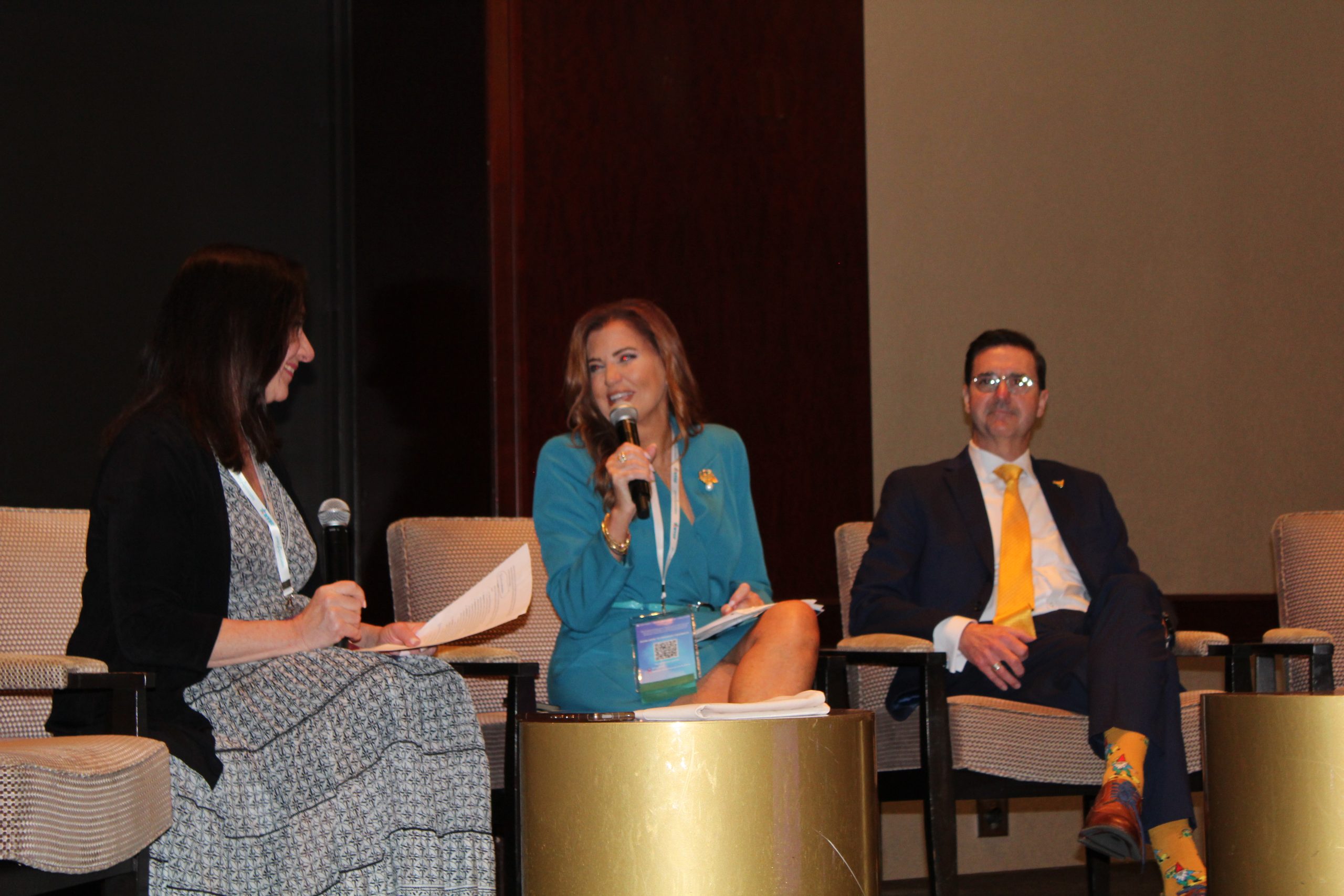
The workforce field has been watching AI’s rise with a mix of urgency and uncertainty. At NYEC’s 2026 Annual Forum, “Rooted in Action,” those conversations moved from the hallway to center stage. A featured panel — AI, Opportunity, and the Future of Youth Work: Promise, Risk, and Responsibility — brought federal policy leadership and local innovation together to ask a defining question: can artificial intelligence expand opportunity for young people who have historically faced the steepest barriers?
The answer, panelists agreed, depends entirely on how the field chooses to build — and who it chooses to center.
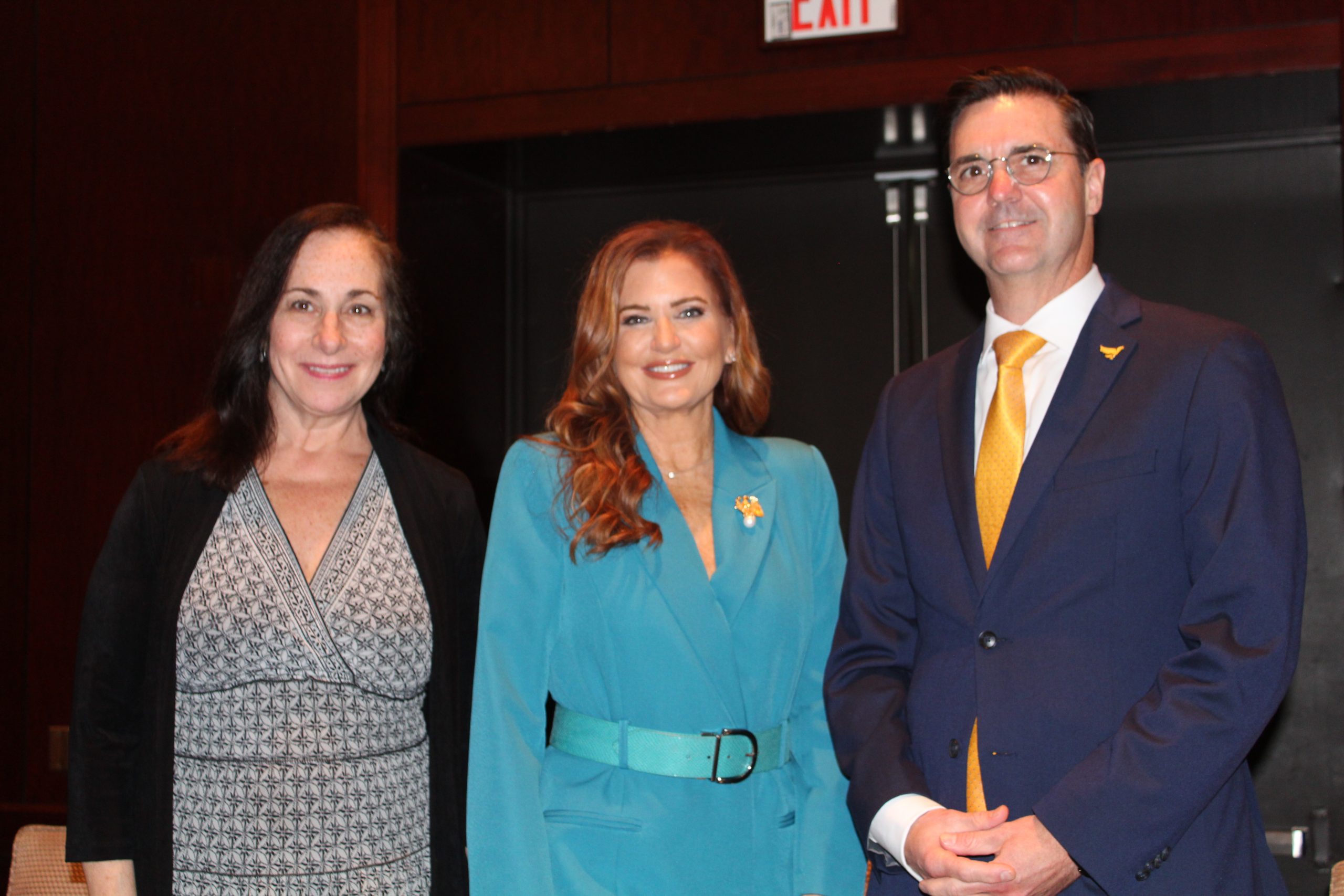
Federal Direction: DOL’s New AI Literacy Framework
Maria M. Syms, Senior Policy Director for Education at the Employment and Training Administration (ETA), opened with the Department of Labor’s emerging vision for responsible AI adoption across the workforce system. At the center of her remarks was DOL’s new AI Literacy Framework — a roadmap detailing federal direction, future funding opportunities, and what this shift means for workers, employers, and workforce intermediaries across the country.
The framework reflects a deliberate commitment to ensuring that AI adoption is not just efficient — but expands opportunity. For opportunity youth in particular, the stakes are high. Opportunity youth are bright and motivated young people who often face a steeper climb to economic mobility. The panel’s central concern was not whether AI will reshape employment pathways, but whether the field will move fast enough — and carefully enough — to ensure those pathways reach everyone.
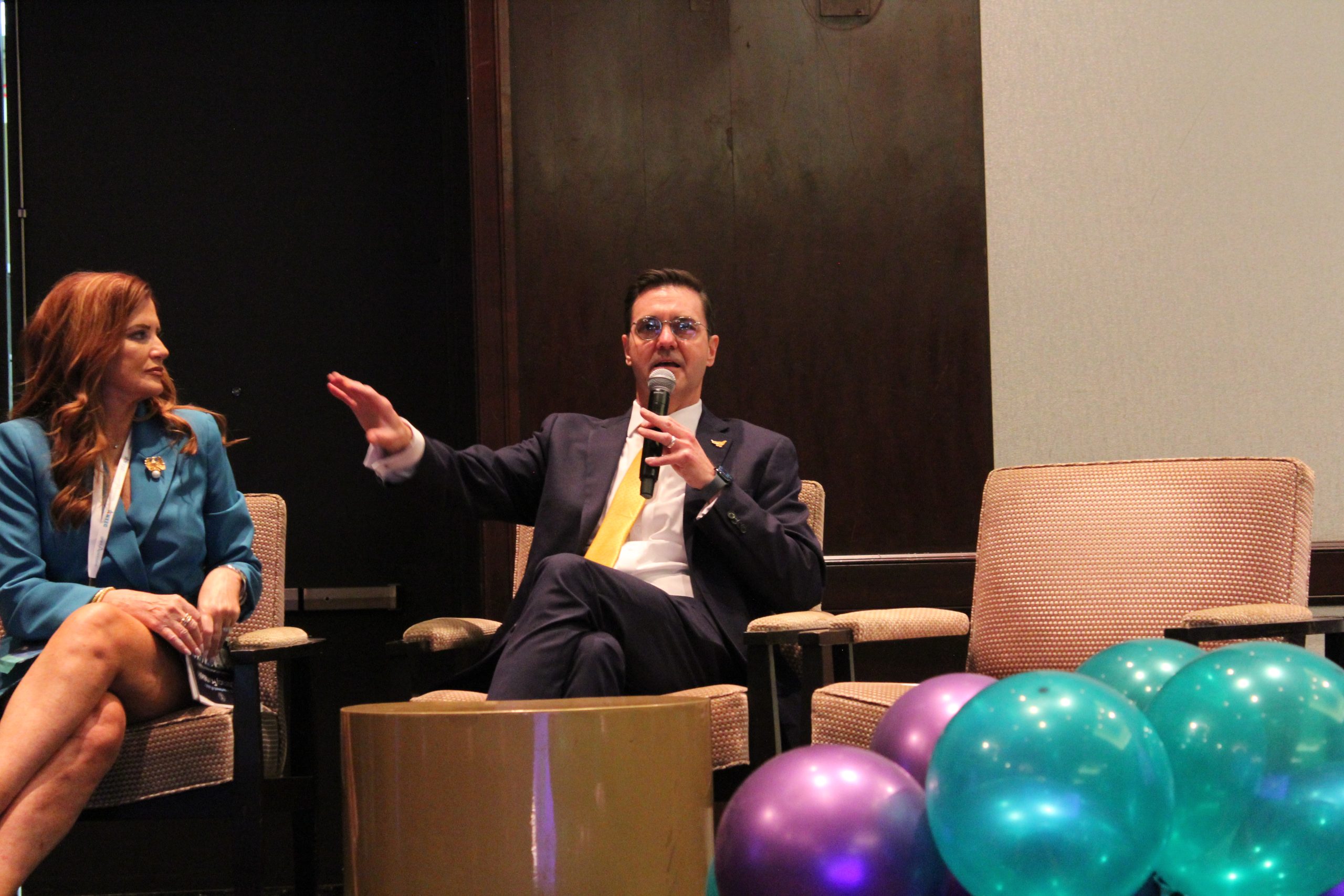
Local Innovation: Houston City College’s AI Career Platform
Dr. Michael Webster, President of Houston City College, brought the framework to life with a concrete regional example. He discussed how the Greater Houston Partnership is spearheading an AI-powered Connectivity Platform that offers personalized career navigation from exploration through education, wraparound supports, and job placement — a working model for how workforce systems can deploy AI responsibly at scale.
Together, the panelists explored the conditions that make responsible AI deployment possible: strong data infrastructure, intentional design for equity, community trust, and coordination across education, employers, and workforce intermediaries. Technology, they emphasized, is a lever — but the infrastructure around it determines whether it lifts everyone.
NYEC: Connecting Federal Direction to Local Action
NYEC’s own work in AI literacy and apprenticeship aligns directly with DOL’s emerging priorities. Through its Youth Champion Communities initiative, NYEC supports local workforce ecosystems in building the infrastructure needed to connect young people — particularly opportunity youth — to quality career pathways, including registered apprenticeships and roles in emerging technology sectors. NYEC will be launching a suite of AI-focused content to support young people and practitioners.
The forum served as a critical convening point: a moment to take stock of where the field stands, align on where federal policy is heading, and ask hard questions about who gets left behind if the system moves without the right foundations in place.
“
Across the country, communities are navigating rapid change in the workforce. This forum is about bringing leaders together to align on solutions that ensure young people are prepared, supported, and connected to real opportunity. When systems work together, young people are better positioned to contribute to their communities and to the economy.
Dr. Mimi Haley, Executive Director · National Youth Employment Coalition